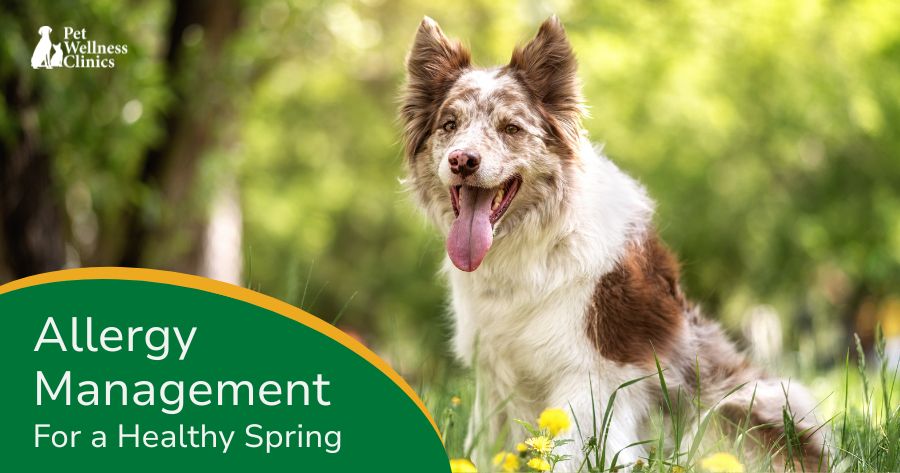
Throughout the year in Indianapolis, pets can struggle with seasonal allergies as pollen, grass, mold, and other environmental allergens move through the air. If your dog is constantly scratching or your cat is overgrooming, spring or fall triggers may be to blame.
Seasonal allergies in pets, also called environmental allergies or atopic dermatitis, are a common reason Indianapolis pet parents schedule a visit with our veterinarians. The good news is that relief is possible. By understanding the signs, causes, and treatment options, you can help your pet feel more comfortable and enjoy every season with less itching and irritation.
Seasonal allergies develop when a pet’s immune system becomes overly sensitive to everyday environmental substances. While people often experience sneezing or watery eyes, dogs and cats are more likely to show symptoms through itchy and inflamed skin or ears. Common triggers include:
If you’re searching for “why is my dog so itchy?” or “why is my cat licking so much?” allergies are often the answer. Ongoing irritation can damage the skin’s protective barrier and may lead to secondary infections that require veterinary care.
Catching symptoms early can make a big difference in your pet’s comfort. Addressing mild itching or irritation before it worsens helps prevent unnecessary discomfort and more serious complications. While seasonal allergies cannot always be cured, there are simple steps you can take at home to help reduce flare ups and keep your dog or cat feeling their best:
Chronic itching is not normal, and pets don’t have to live with it. Schedule an appointment if your pet:
Food allergies and environmental allergies can look very similar, which is why getting the right diagnosis is so important. Our veterinarians will begin with an allergy check and thorough wellness exam for your dog or cat to determine whether seasonal allergies are the cause of their discomfort.
If your pet is diagnosed with seasonal allergies, our veterinary team will create a dermatology treatment plan based on your pet’s symptoms, severity, and lifestyle. Our goal is to relieve itching, calm inflammation, and support long-term skin health so your dog or cat can feel comfortable again.
If your pet is showing signs of allergies, call us at 317-516-5921 or find an Indianapolis clinic to schedule an exam online. Our veterinarians will work with you to identify the cause and create a personalized treatment plan to keep your pet comfortable year-round.

10475 Crosspoint Blvd Suite 220
Indianapolis, IN 46256