Be Prepared for Pet Emergencies | First Aid for Your Pet Skip to Main Content Skip to Footer

Pet First Aid Awareness

Pet First Aid Awareness

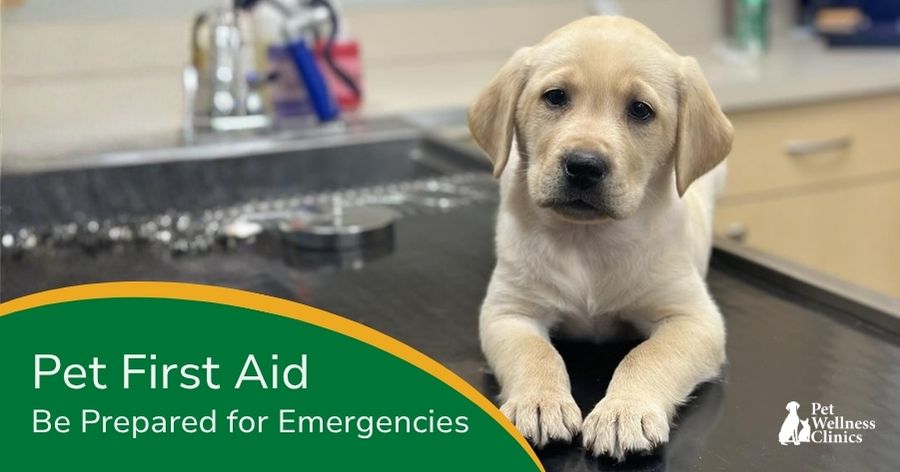
Be Prepared for Pet Emergencies 

When it comes to our pets, emergencies can happen when we least expect them. Whether it’s a cut paw on a walk, an upset stomach, or something more serious, knowing how to respond in those first few moments can make a big difference. Pet First Aid Awareness is all about helping pet parents feel confident, prepared, and ready to act with care. 

Why Pet First Aid Matters 

Just like people, pets can experience injuries, allergic reactions, choking, or sudden illness. While first aid isn’t a replacement for veterinary care, it can help stabilize your pet and prevent a situation from getting worse before you’re able to get professional help. 

Having basic knowledge can help you: 

  • Stay calm in stressful situations  
  • Recognize early warning signs of trouble  
  • Provide immediate comfort and support to your pet  

Common Pet Emergencies 

Being aware of the most common issues can help you react quickly and appropriately. You know your pet best, if something doesn’t seem right, trust your instincts. 

Some pet emergencies to watch for include: 

  • Cuts, scrapes, or bleeding  
  • Vomiting or diarrhea  
  • Choking or difficulty breathing  
  • Heat exhaustion or dehydration  
  • Seizures  
  • Exposure to toxins or harmful foods  

Pet First Aid Basics 

Here are a few simple steps you can take if your pet faces an emergency: 

  • Stay Calm and Assess the Situation: Your pet can sense your emotions. Staying calm helps keep them from becoming more anxious or reactive. 
  • Check for Immediate Danger: Make sure your pet (and you) are safe from hazards like traffic, sharp objects, or other animals. 
  • Handle with Care: Even the sweetest pets may bite or scratch when in pain. Approach slowly and speak in a soothing voice. 
  • Control Bleeding: Use a clean cloth or gauze and apply gentle pressure to stop bleeding. 
  • Keep Them Comfortable: Keep your pet warm, still, and as relaxed as possible while preparing to transport them. 

Build a Pet First Aid Kit 

Having supplies on hand can save valuable time during a pet emergency. A well-stocked pet first aid kit allows you to act quickly and confidently, helping to stabilize your pet and prevent further injury while you prepare to seek veterinary care. Keep your kit in an easy-to-access place and consider bringing a smaller version when traveling.   

Your Pet’s First Aid Kit should include: 

  • Vet’s Information
    Contact information including animal hospital, veterinarian, phone number, and address for quick access in an emergency 
  • Gauze Pads, Bandages, & Adhesive Tape
    Essential for covering wounds, controlling bleeding, and protecting injuries from dirt and bacteria. Gauze can also be used to apply gentle pressure or cushion sensitive areas. Adhesive tape helps secure bandages in place.  
  • Antiseptic Wipes
    Used to gently clean wounds and reduce the risk of infection. Cleaning an injury right away can make a big difference in healing.  
  • Tweezers
    Helpful for safely removing splinters, small debris, ticks, or foreign objects from your pet’s skin or paws.  
  • Digital Thermometer
    Allows you to check your pet’s temperature if they seem unwell. Knowing whether your pet has a fever can help your veterinary team assess the situation more quickly.  
  • Saline Solution
    Useful for flushing out wounds or rinsing eyes if debris or irritants are present. It’s a gentle way to clean sensitive areas.  
  • Disposable Gloves
    Protect both you and your pet by keeping wounds clean and reducing the spread of bacteria during treatment.  
  • Blanket or Towel
    Can be used to keep your pet warm, provide comfort, or safely restrain them if they are frightened or in pain. It’s also helpful for transporting an injured pet more securely. 
  • Leash
    Keep an extra leash on hand in case your pet’s primary leash is damaged during emergency, or to ensure you can quickly and safely secure your pet. 

Know When to Seek Veterinary Care 

First aid is just the first step. When in doubt, it’s always best to call your veterinary clinic for guidance. Always follow up with your veterinary team, especially if your pet: 

  • Has difficulty breathing  
  • Is unconscious or unresponsive  
  • Experiences repeated vomiting or diarrhea  
  • Has been exposed to a toxin  
  • Shows signs of severe pain  

We’re Here When You Need Us 

At Pet Wellness Clinics in Indianapolis, we understand how stressful pet emergencies can be. Our team is here to support you with compassionate care, guidance, and treatment when your pet needs it most. 

With multiple locations across greater Indianapolis and select locations open on Saturdays and Sundays, Pet Wellness Clinics can assist you 7 days a week with emergency or urgent needs. Call us at (317) 516-5921. For evenings, overnights, or holidays we recommend Airport Animal Emergi-Center: 

Airport Animal Emergi-Center  
5235 W. Washington St  
Indianapolis, IN 46241 |  
317-648-9161 | aaecindy.com

Pet First Aid Awareness is about being prepared and also knowing you’re not alone. With a little knowledge and the right support, you can help keep your pet safe, healthy, and happy every day.

Related Articles

You might also like